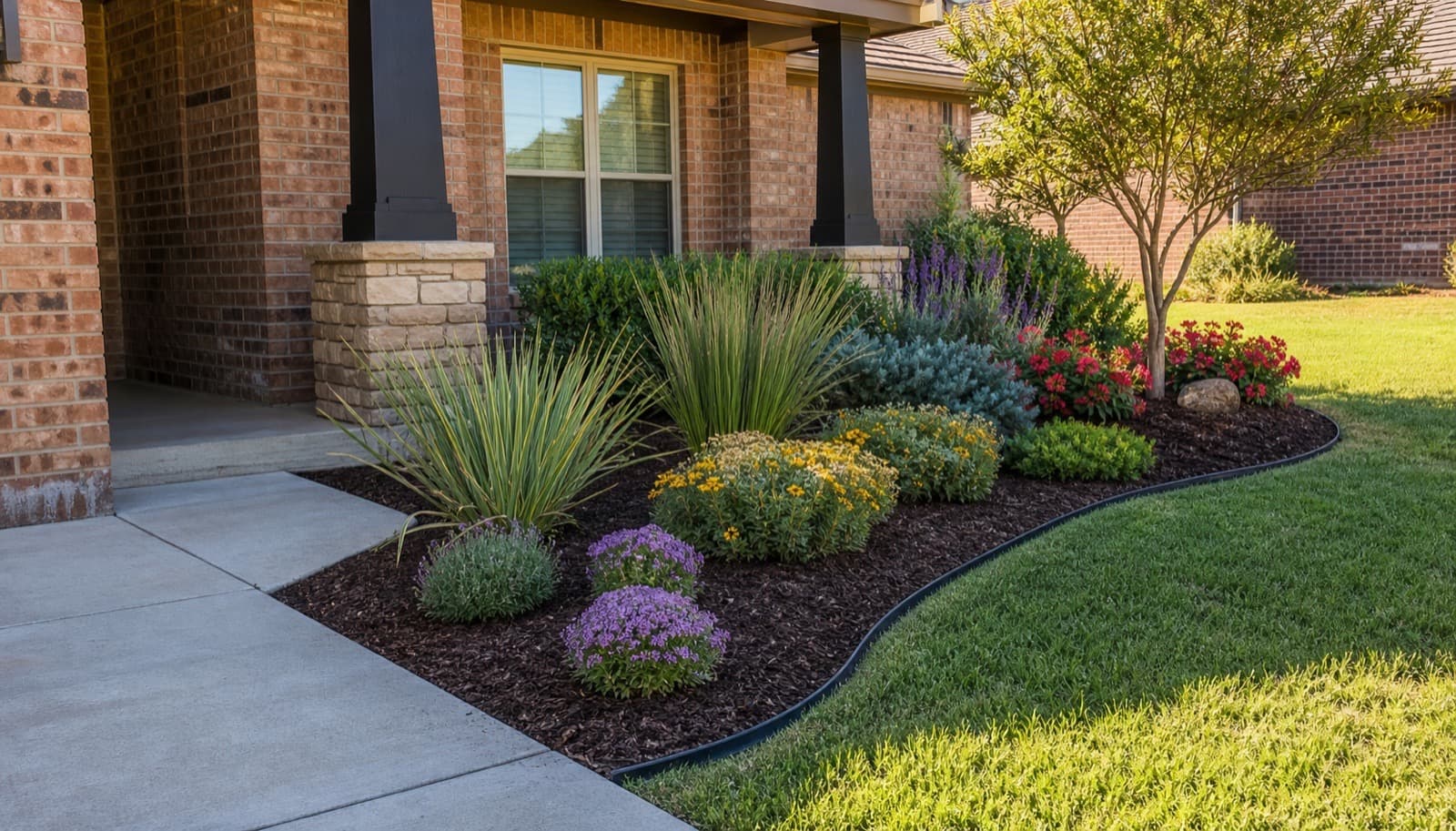
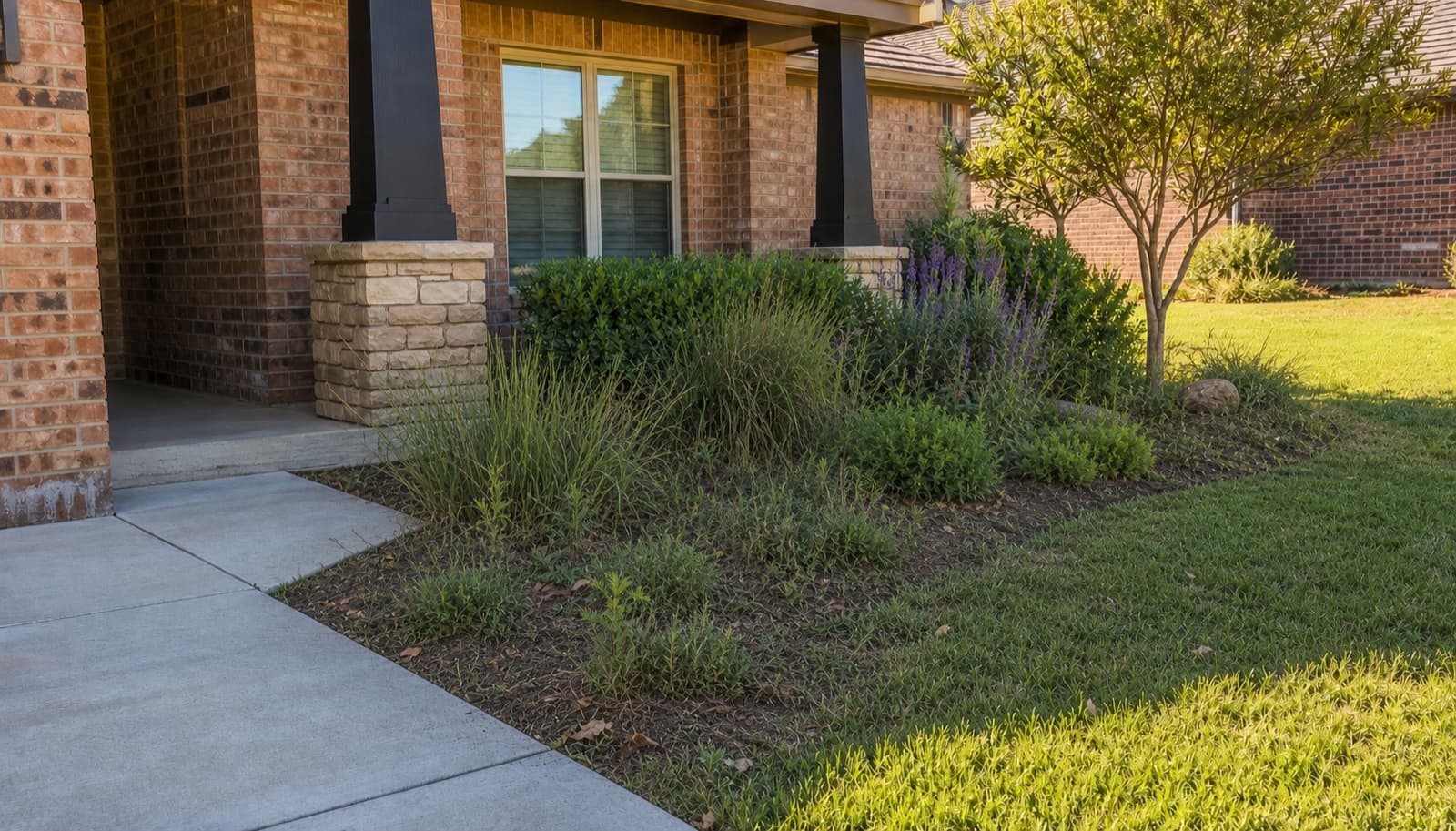
The easiest weed to remove is the one that has not produced seed or built a deep root system. A small, regular maintenance pass is faster and less disruptive than waiting until weeds blend into every plant.
Remove weeds while they are young
Pull after rain or light watering when soil releases roots more easily. Remove the entire root where possible and carry seed heads out of the bed instead of dropping them nearby.
Close open soil with the right mulch layer
Mulch blocks light from many annual weed seeds and makes new growth easier to spot. Thin areas invite weeds, while excessive depth can create moisture and plant-health problems.
Control the edges
Many bed weeds are actually turf and runners crossing a weak border. A defined edge makes it easier to see encroachment early and prevents the bed from slowly losing its shape.
Quick checklist
Put these tips to work.
- ✓Inspect after warm rain.
- ✓Remove seed heads before moving the plant.
- ✓Do not bury established weeds under new mulch.
- ✓Keep tools clean when moving between problem areas.
How CLM can help
Local work with a clear finish.
Combs Land Management provides Woodward bed cleanup, hand weeding, edge restoration, mulch refreshes, and recurring property care so a small problem does not become a full bed renovation.
Get a Free QuoteCommon questions
Good to know.
Will mulch stop every weed?
No. It reduces many annual weeds, but windblown seeds and persistent roots still require inspection and removal.
Can I just cover weeds with more mulch?
That often leaves established roots in place and can create excessive mulch depth. Remove weeds first.
For additional research-based Oklahoma guidance, visit Oklahoma State University Extension: All You Need To Know About Mulch.