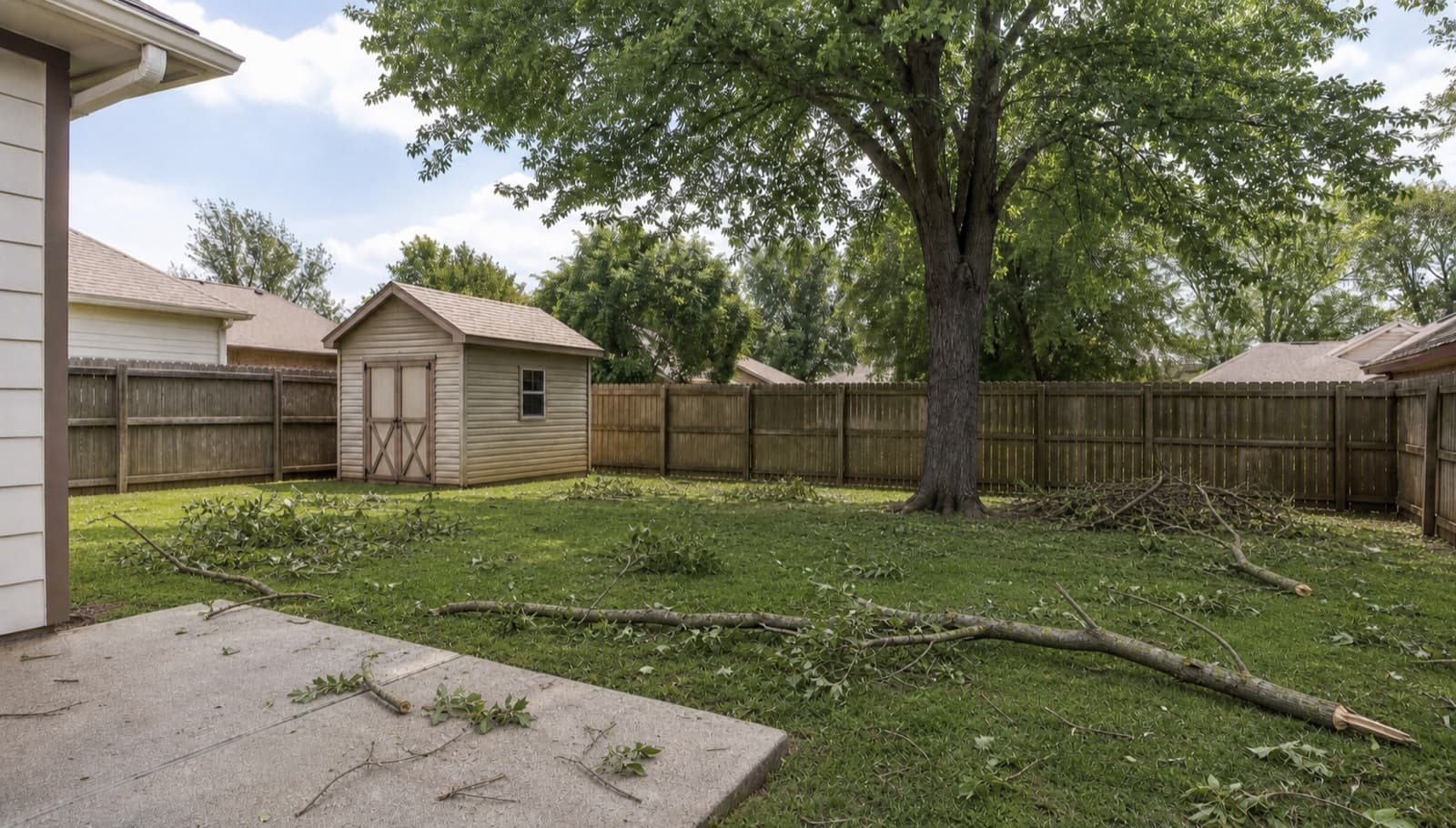
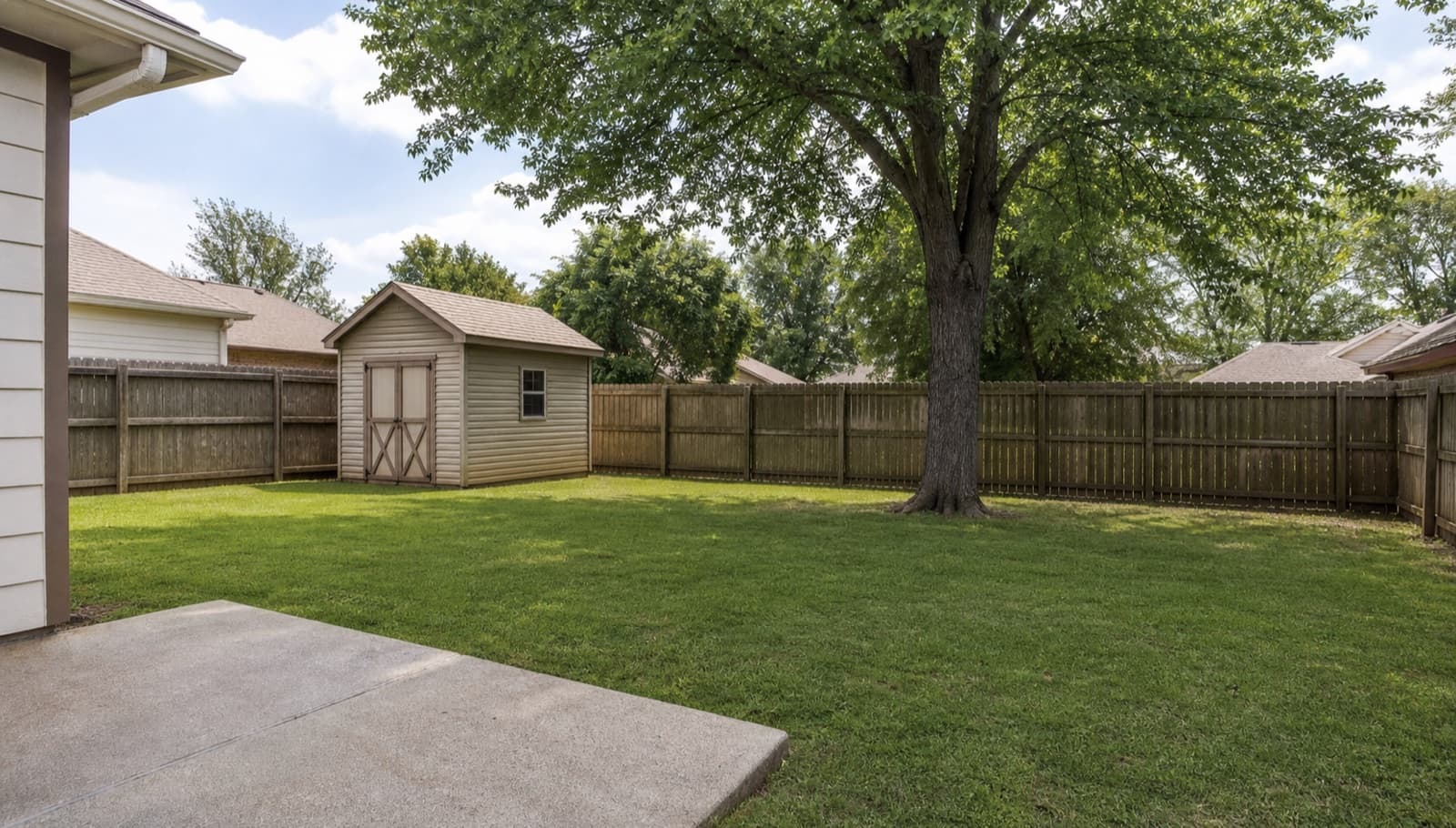
A spring reset does more than make the yard look better. It exposes drainage trouble, removes material that can smother turf, and gives you a clear view of what actually needs repair before growth accelerates.
Start with safety and access
Walk the property before using equipment. Pick up wire, glass, rocks, branches, and material hidden in tall edges. Look overhead for damaged limbs and avoid working below anything that appears cracked, hanging, or unstable.
Work from large debris to fine cleanup
Remove limbs and bulky material first, then rake matted leaves and smaller debris. Finish with hard-surface cleanup. This order prevents repeated work and makes it easier to see low spots and damaged turf.
Reset beds and borders
Pull obvious weeds, remove dead annual growth, redefine bed edges, and inspect mulch depth. A clean border between turf and beds gives the entire property a finished appearance even before peak spring color arrives.
Quick checklist
Put these tips to work.
- ✓Photograph storm damage before cleanup if insurance may be involved.
- ✓Keep debris piles away from drives and utility access.
- ✓Inspect downspout discharge areas.
- ✓Schedule hauling before piles become windblown again.
How CLM can help
Local work with a clear finish.
Combs Land Management provides complete spring cleanup in Woodward and nearby communities. The crew can remove debris, mow, trim, edge, refresh beds, and haul material away instead of leaving another pile for the homeowner.
Get a Free QuoteCommon questions
Good to know.
What should be removed first?
Start with hazardous or bulky material, then work down to leaves, small debris, and the final surface cleanup.
Do you haul spring debris away?
Combs Land Management offers cleanup and removal so the finished property is actually clear.
For additional research-based Oklahoma guidance, visit Oklahoma State University Extension: Managing Storm-Damaged Trees.