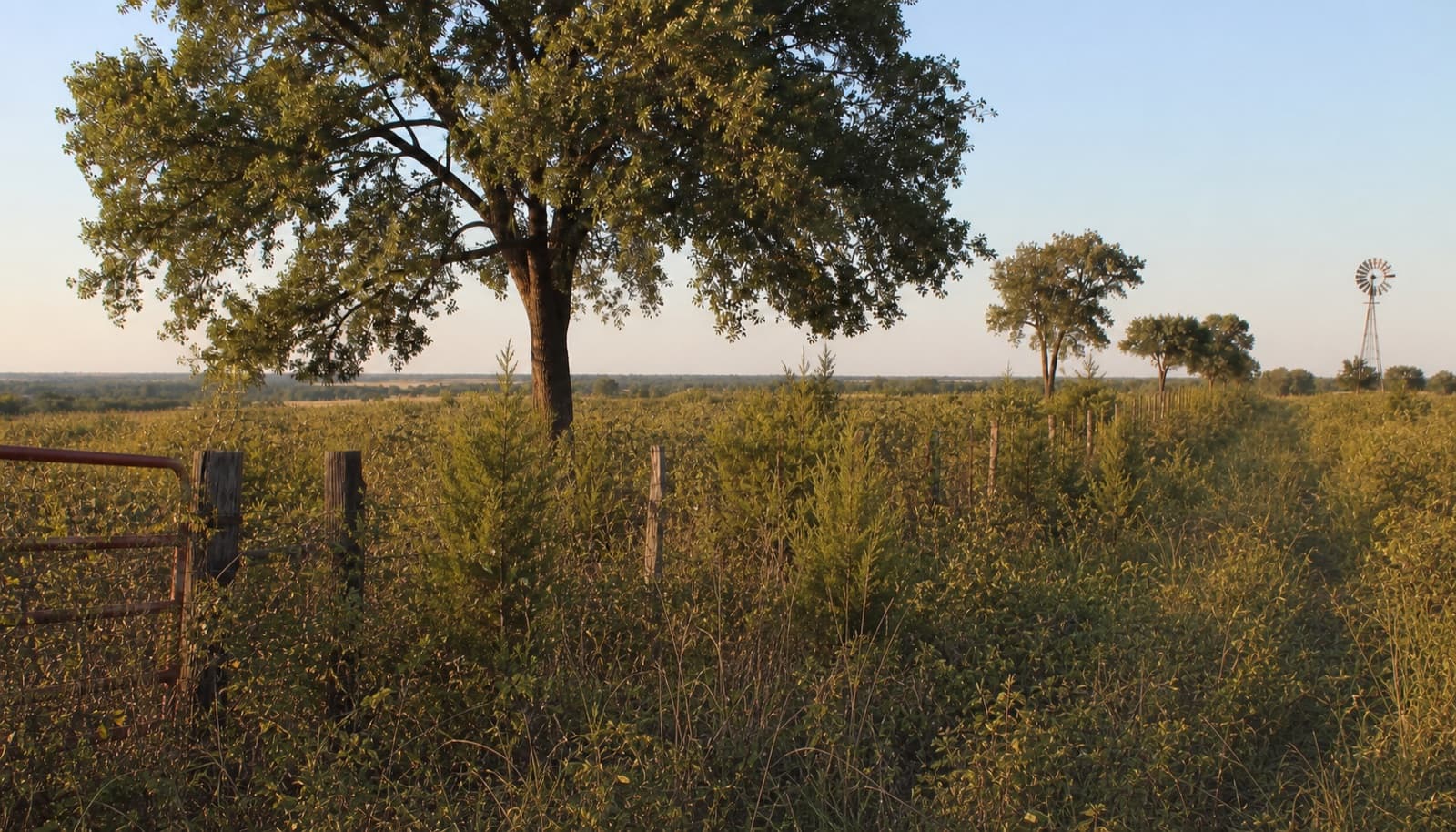
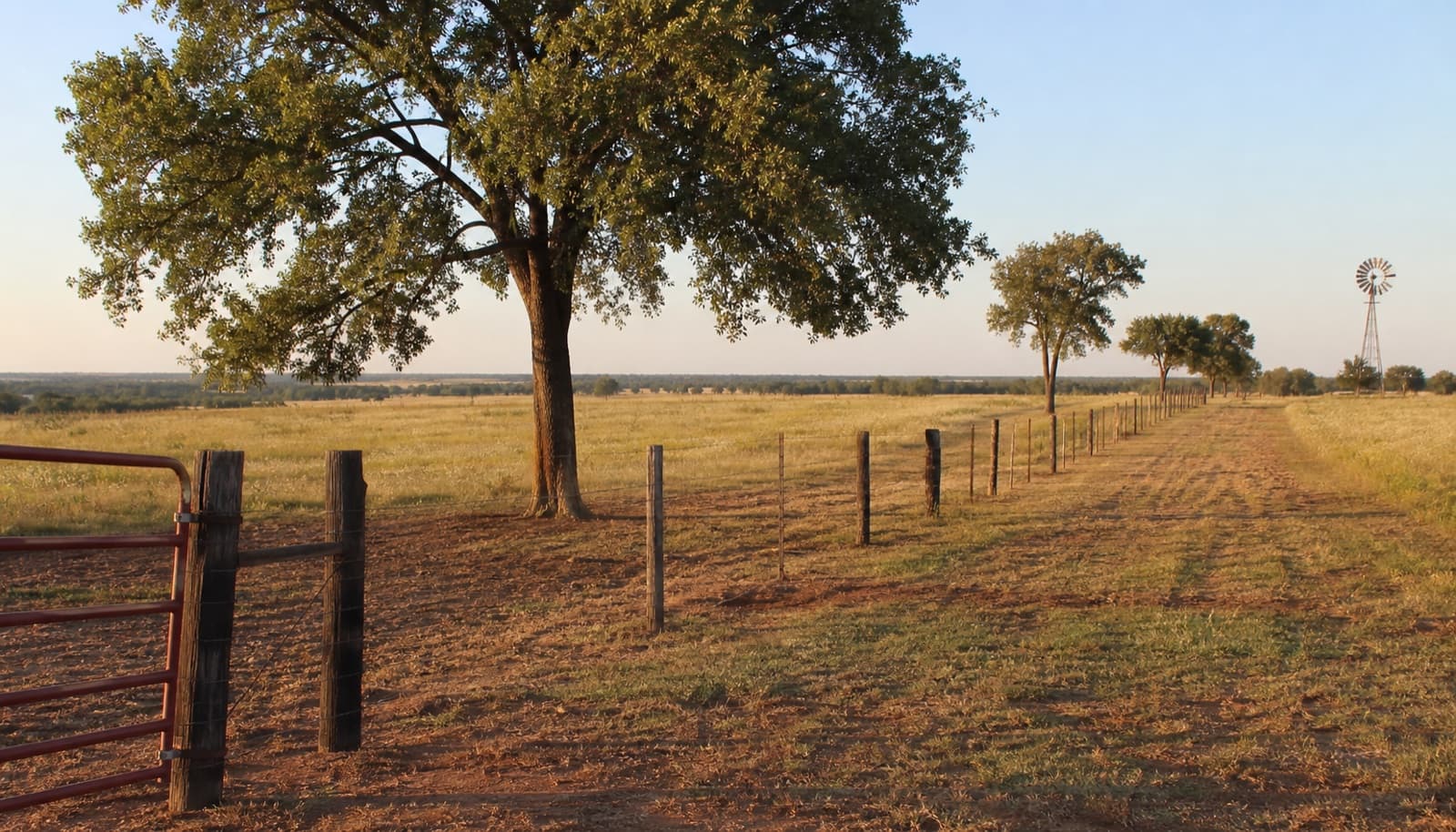
A fence line can disappear gradually under grass, vines, volunteer trees, and windblown debris. By the time repairs are needed, access is limited and every post becomes harder to inspect. Clearing restores visibility and makes future maintenance faster.
Define the working width
Decide whether the goal is simple inspection access, equipment travel, firebreak support, or a wider clean corridor. Mark gates, corners, utilities, desirable trees, and areas where neighboring property is close.
Protect the fence during removal
Wire can be hidden inside trunks and dense growth. Pulling blindly may damage posts or stretch wire. Work methodically and expose the fence before using larger equipment near it.
Keep the line open
After the initial reset, mow or inspect the corridor on a predictable schedule. Remove volunteer woody growth while it is small and address debris before it becomes embedded again.
Quick checklist
Put these tips to work.
- ✓Locate utilities before digging or grinding.
- ✓Mark wire hidden in vegetation.
- ✓Protect desirable shade trees.
- ✓Plan a recurring pass after the initial clearing.
How CLM can help
Local work with a clear finish.
Combs Land Management clears overgrown fence lines throughout the Woodward area using a careful, access-first approach. The finished corridor is easier to inspect, repair, and maintain.
Get a Free QuoteCommon questions
Good to know.
How wide should a cleared fence line be?
The width depends on whether you need foot access, mower access, equipment travel, or a broader management goal.
Can the removed brush be hauled away?
Material handling can be included in the quote based on volume, access, and the chosen finish.